

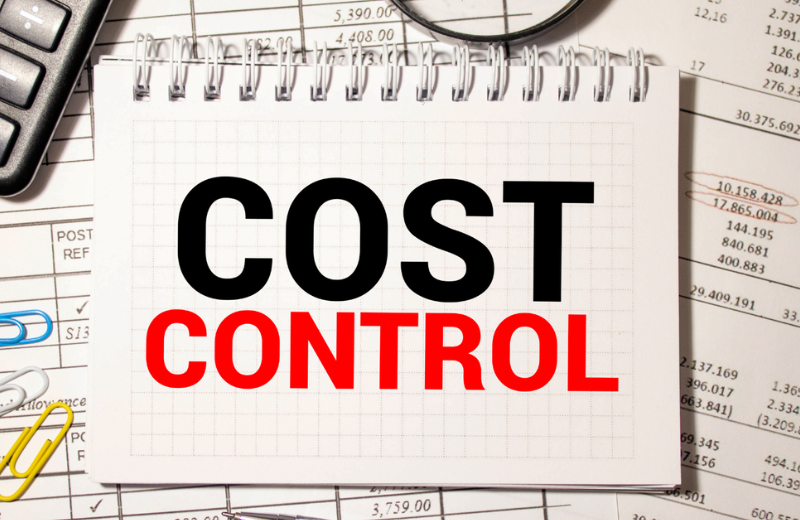
Why Restaurants Close in Azerbaijan: Hidden Financial Losses
Every year, many restaurants open in Azerbaijan — and many of them also close. Why does this happen? Most people assume that closed restaurants simply had no customers. However, the reality is more complex: restaurants lose money, but these losses happen silently. The cash register is full, customers are coming in, yet at the end of the month, there is no profit.
The reason?
There is no cost control system.
What Is Cost Control?
Cost control is a system that ensures financial, inventory, kitchen, and portion control in a restaurant. It is a tool that shows you exactly where your money is going, on a daily and accurate basis.
Without this system:
-
Invisible losses occur in the kitchen
-
Portions are inconsistent and oversized
-
Inventory goes missing
-
Recipes are based on experience and estimation
-
Operations are managed by guesswork, not data
What Do You Gain with a Cost Control System?
Once a cost control system is implemented, you can:
-
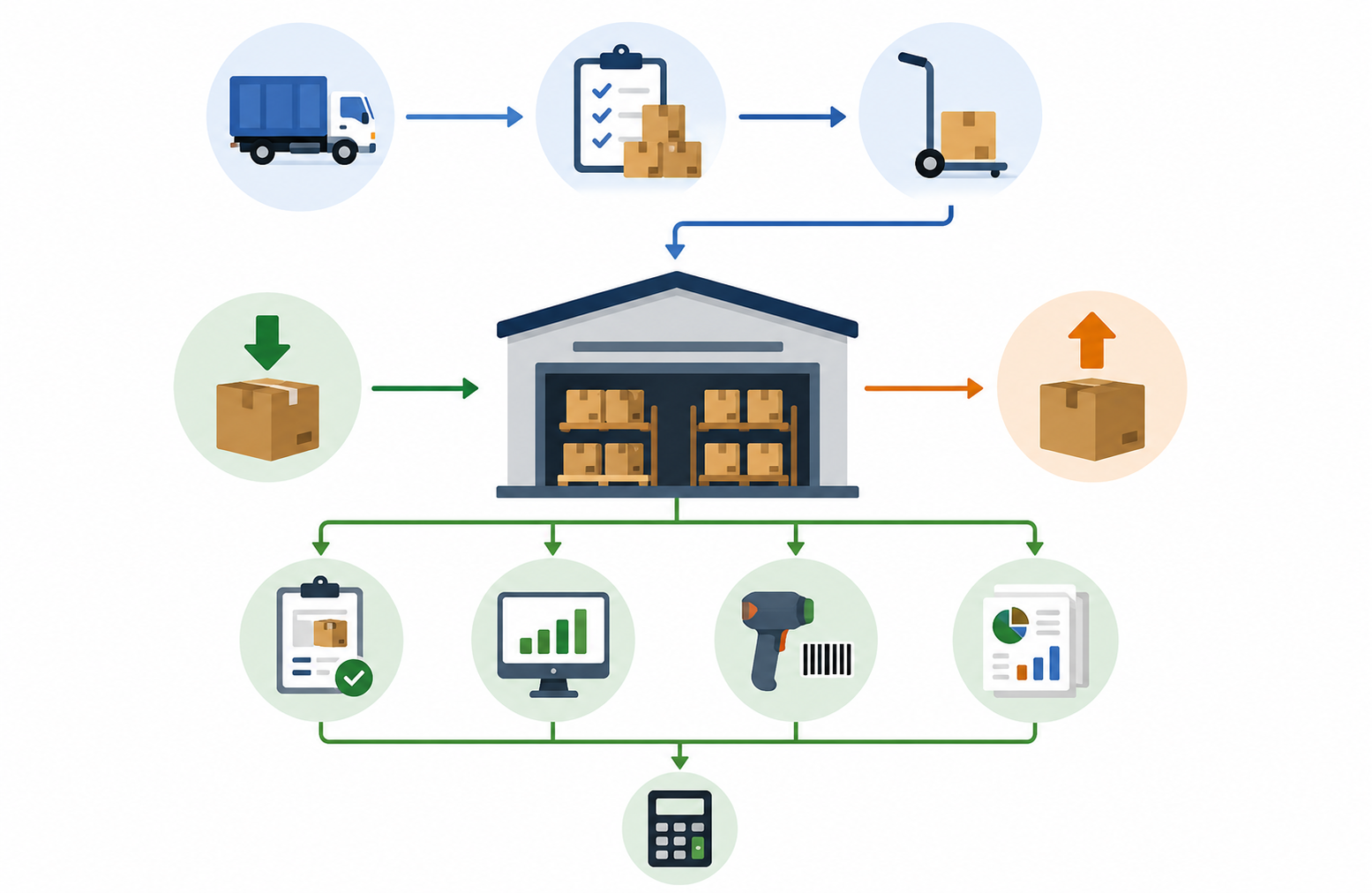
Track inventory levels daily
-
Know the exact cost of every dish
-
Detect losses immediately through daily and monthly reports
-
Standardize kitchen portions based on recipes
-
Increase staff accountability and reduce misuse
Which Systems Does NFS Audit Consulting Work With?
At NFS Audit Consulting, we select the most suitable cost control system for your restaurant based on your needs, team structure, and budget.
Systems We Work With:
-
1C ERP + Resto – Ideal for large restaurant chains, offering advanced reporting
-
iiko – A highly functional and practical system for kitchens and fast service operations
-
Klapus – Cloud-based, affordable, and suitable for small restaurants
-
R_keeper – A complex and professional system for large restaurants and franchises
We eliminate the confusion of choosing software. Whether you need simplicity or advanced functionality, we deliver a ready-to-use solution.
What Do We Do?
As the NFS Audit Consulting team, we:
-
Install the system and provide full training
-
Set up menus, recipes, and technical cards
-
Train staff on inventory, portion control, and reporting
-
Prepare dashboards along with loss and profit reports
-
Deliver accurate monthly figures — no estimates, only real data
Let's discuss with you.
Accounting
Bookkeeping
Financial Accounting
Management Accounting
Cost Accounting
Auditing
Balance Sheet
Income Statement (Profit and Loss Statement)
Cash Flow Statement
Statement of Equity
Financial Reports
Assets
Liabilities
Equity
Current Assets
Fixed Assets
Intangible Assets
Current Liabilities
Long-term Liabilities
Revenue
Sales
Income
Expenses
Operating Expenses
Gross Profit
Net Profit
Loss
Journal
Ledger
Trial Balance
Debit
Credit
Accrual Accounting
Cash Basis Accounting
Depreciation
Amortization
Tax
VAT (Value Added Tax)
Income Tax
Tax Return
Compliance
Budget
Forecast
Financial Analysis
Internal Control
Inventory
Accounts Receivable
Accounts Payable
Financial Reporting
International Financial Reporting Standards (IFRS)
Generally Accepted Accounting Principles (GAAP)
Consolidated Financial Statements
Fair Value
Impairment
Cost Allocation
Variable Cost
Fixed Cost
Break-even Point
Marginal Cost
Standard Costing
Activity-Based Costing (ABC)
Capital
Share Capital
Retained Earnings
Dividends
Shareholder
Investment
Merger
Acquisition
Invoice
Receipt
Payroll
Wages
Salaries
Accrued Expenses
Prepaid Expenses
Unearned Revenue
Interest
Loan
Overdraft
Credit Risk
Liquidity
Solvency
Internal Audit
External Audit
Audit Report
Fraud
Risk Management
Financial Ratios
Liquidity Ratio
Profitability Ratio
Return on Assets (ROA)
Return on Equity (ROE)
Source Documents
Voucher
Supporting Documents
Chart of Accounts
General Journal
Subsidiary Ledger
Going Concern
Matching Principle
Consistency Principle
Materiality
Conservatism
Substance over Form
Inventory Valuation
FIFO (First In
First Out)
LIFO (Last In
First Out)
Weighted Average Cost
Stocktaking
Cost of Goods Sold (COGS)
Straight-line Method
Declining Balance Method
Useful Life
Residual Value
Capital Expenditure
Operating Expenditure
Petty Cash
Bank Reconciliation
Cash Receipts
Cash Payments
Electronic Payment
Gross Salary
Net Salary
Payroll Tax
Employee Benefits
Social Security Contributions
Statutory Requirements
Regulatory Framework
Financial Disclosure
Compliance Audit
Measurement Basis
Historical Cost
Present Value
Net Realizable Value
Valuation Allowance
Revenue Recognition
Expense Recognition
Accrued Revenue
Deferred Revenue
Matching Concept
Capitalization
Accounting Services
Bookkeeping Services
Financial Accounting Services
Management Accounting Services
Outsourced Accounting
Virtual Accounting
Financial Reporting Baku
Management Accounting Services Baku
Outsourced Accounting Baku
Virtual Accounting Baku
Financial Reporting Baku sale
Preparation of Financial Statements
Monthly Reporting
Annual Reporting
Management Reports
Tax Accounting
Tax Planning
Tax Compliance
VAT Accounting
Tax Filing
Tax Advisory
Payroll Accounting
Payroll Processing
Salary Calculation
Payroll Tax Reporting
Employee Compensation
Accounts Receivable Management
Accounts Payable Management
Cash Flow Management
Bank Reconciliation Services
Accounting Advisory
Financial Consulting
Business Advisory Services
Financial Analysis Services
Audit Support Services
Internal Control Review
Financial Due Diligence
Accounting Software
Cloud Accounting
ERP Systems
Financial Data Management
Are you ready for cooperation?
[email protected]